
Key Takeaways
Motorcycle safety looks very different depending on where you ride. Urban riders face more traffic, distractions, and intersections, while rural riders encounter higher speeds, unpredictable wildlife, and limited lighting. Understanding how to adapt your riding habits, gear and awareness to each environment is critical to staying safe.
Every motorcycle rider knows that no two rides are the same. City streets present one kind of challenge, while open rural roads introduce another. Factors like traffic density, road quality, lighting and even wildlife can completely change how you need to approach safety. Understanding the unique hazards of both urban and rural environments is essential to minimizing your risk of a motorcycle accident.
The Challenges and Hazards Associated with Urban Riding
 Urban riding environments force you to contend with vehicle congestion from cars, trucks and buses. In addition, you must watch out for pedestrians and rapidly changing traffic lights. This can create chaotic and distracting conditions which increase the risk of a motorcycle accident. In fact, 66% of motorcycle accident deaths occur in urban settings.
Common urban motorcycle riding hazards include:
- Heavy Traffic – Stop-and-go conditions make it easy for drivers to miss smaller motorcycles
- Distracted Drivers – Cell phones, GPS screens and other distractions increase reaction times
- Intersections – Roughly one-third of motorcycle accident fatalities occur at intersections
- Dooring Incidents – Parked cars pose a threat when drivers open doors without checking mirrors
- Road Surface Issues – Oil spills, potholes and slick paint lines are especially dangerous at low speeds
Safety Tips for Urban Riders
The following safety best practices will help you minimize your risk of a motorcycle accident when riding in urban environments:
- Be Visible – Wear bright or reflective gear and keep your headlight on at all times
- Avoid Blind Spots – Stay out of the areas alongside cars and large trucks
- Anticipate Left Turns – Slow down and cover your brakes when approaching intersections
- Use Defensive Positioning – Ride slightly to one side of the lane to improve visibility
- Stay Predictable – Avoid sudden lane changes or weaving between cars
Urban riding demands patience and awareness. By maintaining control of your motorcycle, taking steps to improve your visibility and anticipating the actions of other drivers, you can significantly reduce your risk of an accident.
The Challenges and Hazards Associated with Rural Riding
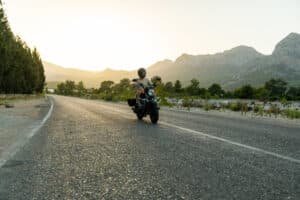 Rural roads often appear safer due to lighter traffic, and they account for fewer motorcycle fatalities than urban riding. However, the higher speeds and longer emergency response times associated with rural riding conditions typically result in more severe injuries in the event of a motorcycle accident.
Common rural motorcycle riding hazards include:
- Higher Speeds – Riders may be tempted to exceed speed limits due to the presence of fewer cars on the road, reducing reaction time when dangerous conditions arise
- Wildlife Crossings – Deer, elk and other wild animals can appear on the road unexpectedly, leaving your with very little time to react
- Gravel and Uneven Roads – Loose surfaces can cause sudden loss of traction
- Limited Lighting – Poor visibility can create dangerous conditions when riding at night
- Fewer Services – Medical help and other roadside assistance services may take much longer to arrive
Safety Tips for Rural Riders
The following safety best practices will help you minimize your risk of a motorcycle accident when riding in rural environments:
- Ride Within Your Limits – High-speed rural roads demand precise handling and increased awareness
- Watch for Wildlife – Use high beams when appropriate and reduce speed in wooded areas
- Inspect Road Conditions – Be alert for gravel, farm debris, or uneven pavement
- Plan Ahead – Keep your gas tank full and carry basic tools or a repair kit
- Use Proper Cornering Techniques – Enter turns at a controlled speed and look through the curve
Rural riding rewards experience and restraint. The open road is exhilarating, but complacency can turn a minor hazard into a serious motorcycle accident.
Comparing Urban vs. Rural Riding Risks
| Factor | Urban Riding | Rural Riding |
|---|---|---|
| Traffic Density | Heavy traffic, frequent stops | Sparse traffic, higher speeds |
| Visibility | Better lighting, more mirrors and signals | Limited lighting, fewer signs |
| Road Conditions | Potholes, slick paint, oil spills | Gravel, debris, uneven pavement |
| Primary Risks | Distracted drivers, intersections | Wildlife, isolation, curves |
| Emergency Response | Quick access to medical help | Longer response times |
| Typical Crash Causes | Left turns, dooring, tailgating | Speeding, animal strikes, run-offs |
Both environments present risks that demand you to balance defensive awareness and technical control in different ways. Urban riders need to predict the actions of other drivers and communicate clearly with others on the road, while rural riders must be able to read the landscape and demonstrate strong maneuvering skills.
Gear and Visibility Matter Everywhere
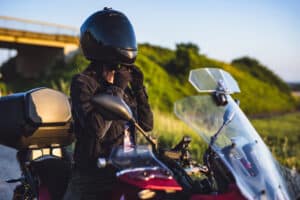 Your safety gear is your first line of defense no matter where you ride. Invest in quality equipment that enhances visibility and protection.
Essential gear for all riders should include:
- Helmet – Always wear a DOT- or Snell-approved, full-face motorcycle helmet
- Jacket and Pants – Choose abrasion-resistant materials with padding or armor
- Gloves – Protect your hands from impact and weather
- Boots – Wear sturdy, ankle-protecting boots with non-slip soles
- Reflective Elements – High-visibility clothing and reflective strips will improve nighttime safety
Urban riders should choose compact, lightweight gear that provides enhanced comfort in stop-and-go traffic. Rural riders, on the other hand, should prioritize weather-resistant gear, hydration systems and layered clothing for temperature changes.
Weather and Environmental Factors
Weather plays a major role in rider safety. Urban roads may flood faster and hide potholes, while rural routes may freeze sooner or collect gravel from plows.
In urban areas:
- Watch for oil-slicked puddles after rain
- Use caution when lane-splitting or filtering (only where legal)
- Avoid riding during peak rush hour if possible
In rural areas:
- Check weather forecasts before long rides
- Carry rain gear and emergency supplies
- Avoid riding at dusk or dawn when wildlife is most active
Pushchak Law Can Help After a Motorcycle Accident
If you’ve been injured in a motorcycle accident caused by the negligence of another rider, you may be entitled to recover compensation for your damages. At Pushchak Law, we’ll fight aggressively to protect your rights and ensure you recover the compensation you deserve.
Brian Pushchak has made motorcycle accident cases a primary focus of his practice. He’s witnessed firsthand the devastation caused by serious motorcycle accident injuries, and he understands the different nuances associated with urban and rural riding. This expertise helps him build a strong case on your behalf that will give you the edge you need when seeking to maximize the value of your compensation.
With Mr. Pushchak’s unique Informed Decisions™ Approach, you’ll remain in control of your case at all times. Mr. Pushchak will listen carefully to your story to understand the specifics of your case and your desired outcome. He’ll explain your rights and options in detail, taking as much time as needed to answer all your questions. While Mr. Pushchak will recommend the best strategy to achieve your goals, you will always have final say over how we handle your case. This unique approach ensures we remain aligned with your goals at all times, giving you the best chance of a successful outcome.
Contact us today to schedule a free consultation. Pushchak Law serves clients in Denver and the surrounding areas of Colorado.
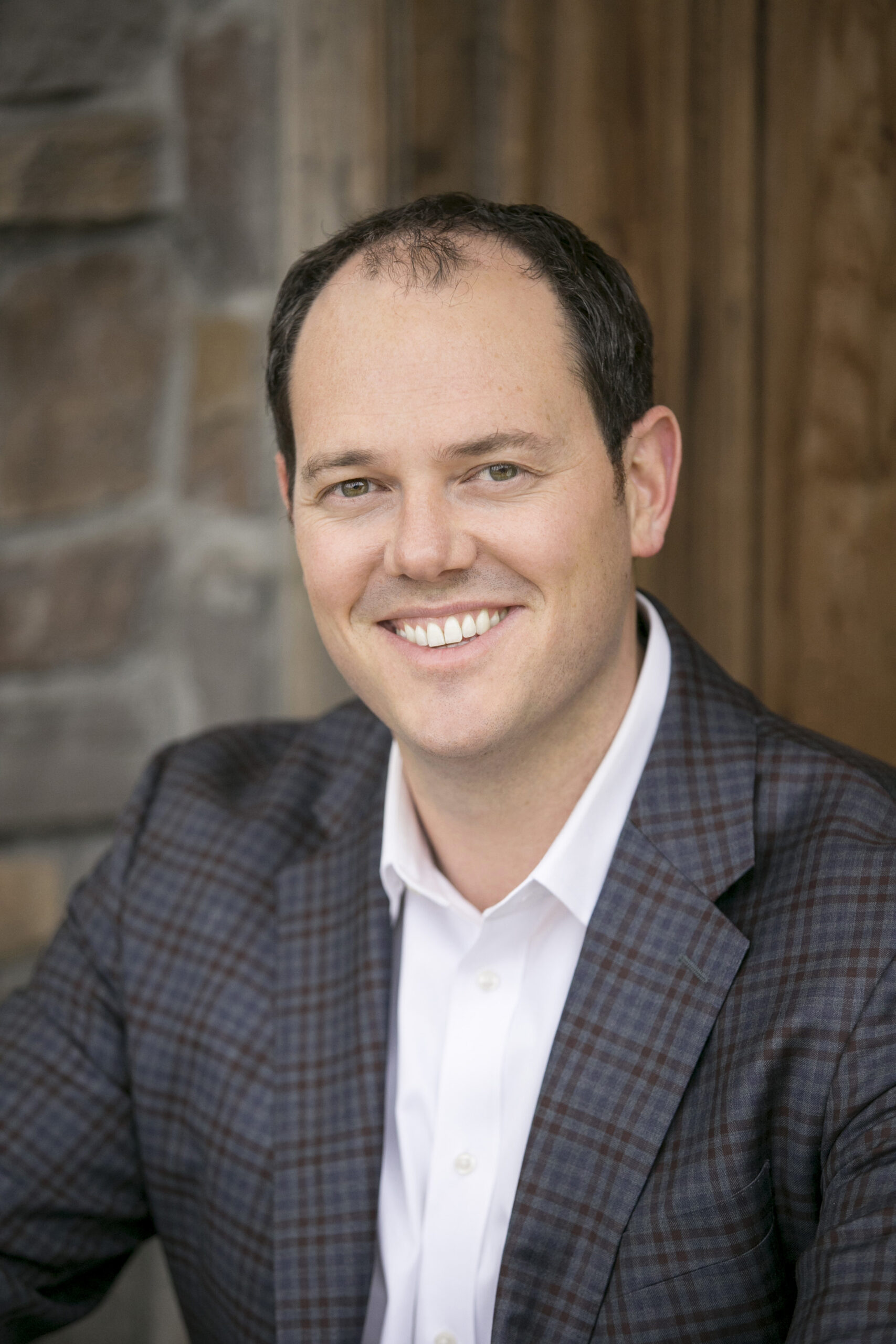
Brian D. Pushchak is a top-rated personal injury attorney practicing in the Denver, Colorado area. Providing legal representation in Colorado for a variety of personal injury issues, Brian Pushchak was selected to Rising Stars for 2017 – 2026. He is admitted to practice before the courts in Colorado. Brian Pushchak was admitted to the practice of law in 2011. Attorneys like Brian D. Pushchak are recognized by their peers for their outstanding work and commitment to the spirit of the legal profession. Their knowledge of the law, professional work ethic, and advocacy on behalf of their clients allow them to stand out among other attorneys in the field.