Colorado Dog Bite Law – What Victims Need to Know
Colorado has passed a series of laws governing dog bite lawsuits. These laws clearly define the responsibilities of dog owners, establish criteria regarding who is eligible to recover compensation and the types of damages that can be recovered, as well as several other important items associated with these cases. The following guide will provide an overview of the most important laws impacting your case, but the best way to truly understand your legal rights and options is to speak with Mr. Pushchak in person.
Strict Liability for Dog Owners in Colorado
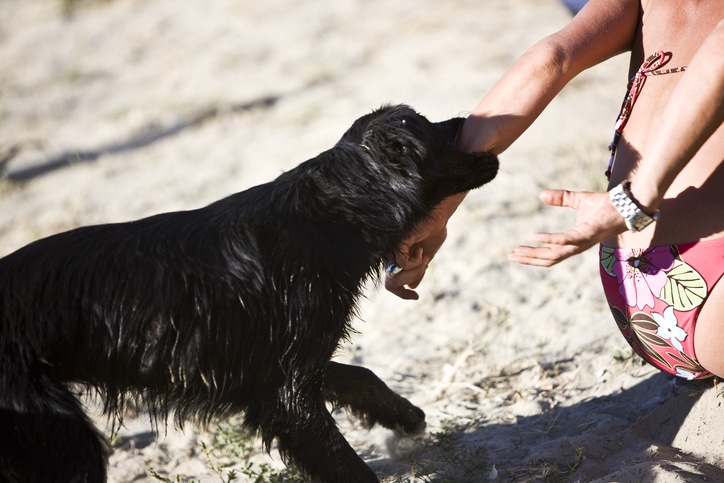
In Colorado, a dog owner is considered to have “strict liability” for injuries caused by their dog. Under strict liability rules, you can seek compensation for economic damages related to serious injury or death caused by a dog bite. You don’t have to prove that the dog owner was negligent or that the dog was known to be dangerous.
Colorado dog bite laws define serious injury based on the following criteria:
- Fractures or broken bones
- Substantial risk of permanent disfigurement
- Substantial risk of protracted loss or impairment of organ function
- Substantial risk of death
In these situations, the dog’s owner will be held liable for all injuries you suffered, even if the dog doesn’t have a history of aggressive tendencies. If you didn’t suffer a serious injury, you may still be able to recover compensation for your damages based on Colorado’s negligence laws, which hold the dog’s owner liable if they failed to take all steps necessary to prevent their dog from attacking.
Colorado Does Not Follow the One Bite Rule
The state of Colorado does not follow the one bite rule in dog bite cases. Strict liability rules mean that the dog’s owner will be responsible for your damages in the event of serious injury even if the dog has no prior history of aggressive behavior.
Who Is Not Eligible for Compensation Under Colorado’s Strict Liability Laws?
There are certain exceptions to Colorado’s strict liability laws which may impact your eligibility to recover compensation after a dog bite attack. These include situations where you were bitten:
- By a police dog performing its duty
- By a hunting or herding dog performing its duty
- Because you taunted, teased or harassed the dog
- While trespassing or not otherwise legally on premises
- While on a property marked with warnings
- While working with the dog in a professional capacity (vet, dog groomer, dog trainer, etc.)
For a more detailed discussion of the laws governing your case, please read our full Colorado Dog Bite Laws blog post.
What Compensation Can I Recover in a Dog Bite Case?
Depending on the specifics of your case, you may be entitled to recover the following economic damages in a dog bite claim:
- Current and future medical treatments associated with the attack, including reconstructive surgery
- Hospital stays
- Physical therapy and other rehabilitation treatments
- Lost wages
- Lost earning potential
- Counseling or treatment for emotional trauma
Can I Recover Damages for Pain and Suffering?
Colorado’s strict liability laws for dog bite cases typically prohibit the recovery of non-economic damages such as pain and suffering, emotional trauma, loss of enjoyment of life, and other damages that don’t have a specific monetary value. However, you can seek non-economic damages if you can show that the dog owner acted negligently or unreasonably failed to protect you from their animal.
Negligence by a dog owner is most often related to ownership of a dangerous dog. A dangerous dog is defined as a dog that is known to have vicious or dangerous tendencies. Typically, this is a dog that has bitten someone in the past.
How Insurance Companies Try to Reduce Dog Bite Claims
It’s important to understand that insurance company isn’t on your side. They will often go to great lengths to reduce the amount of money they have to pay on your claim. Common tactics used by insurance companies include:
- Making Fast, Lowball Offers – Offering a quick settlement before you know the full extent of your injuries or your legal rights
- Delaying Payment – Requesting excessive documentation or repeatedly claiming they need more time to review your case to wear you down into accepting a lower settlement offer
- Arguing Provocation – Claiming you teased, startled, hit, cornered or provoked the dog in some way
- Alleging Trespassing – Claiming you were on the dog owner’s property without permission
- Raising Technical Defenses – Arguing the filing deadline has passed or invoking policy exclusions to get the claim dismissed or narrowed
- Downplaying the Severity of Injuries – Claiming your injuries were minor, healed quickly or left “insignificant scars”
- Questioning Emotional Trauma – Disputing any claims associated with psychological injuries, including PTSD, that you have experienced from the attack
- Pointing to Gaps in Treatment – Claiming that a delay or interruption in medical care indicates you weren’t seriously injured or acted negligently in seeking the treatment you needed
- Disputing Future Care – Challenging the need for future surgeries, scar revisions or psychological counseling as unnecessary or speculative
As a dog bite specialist, Mr. Pushchak understands the tactics used by insurance companies to unfairly reduce or deny your claim, and he knows how to protect your rights to ensure you recover the compensation you deserve.
How a Dog Bite Lawyer Can Help
In order to get the full protections afforded to you by Colorado’s dog bite laws, you’ll need an experienced dog bite attorney by your side. Mr. Pushchak can help you maximize the value of your compensation by:
- Determining whether strict liability or negligence laws apply to your case
- Building a strong case by leveraging the testimony of medical experts and witnesses present at the time of the dog bite
- Factoring in the cost of future medical procedures to accurately calculate the true long-term value of your injuries
- Handling all communications with insurance companies
- Negotiating for full and fair compensation
- Preparing your case for trial if necessary
There is documented evidence demonstrating the value of working with an experienced attorney. A study conducted by the Insurance Research Council (IRC) found that personal injury victims who hire a lawyer receive a 3.5 times higher damage recovery than individuals who negotiated settlements on their own.