
Key Takeaways:
A motorcycle accident can lead to profound psychological effects beyond the physical injury. It is common for survivors of these crashes to struggle with post-traumatic stress disorder (PTSD), persistent anxiety and depression, phobias or avoidance behaviors (such as avoiding motorcycles or roads) and cognitive difficulties (memory, concentration, decision-making). Working with an experienced motorcycle accident lawyer and seeking timely mental health support are both essential parts of recovering from these psychological effects.
When you’re injured in a motorcycle accident, it’s common to focus on the broken bones, hospital stays, surgeries, rehabilitation and insurance claims associated with the crash. But in many instances, the impact of a motorcycle accident doesn’t stop with these injuries and financial hardships. Many victims experience serious psychological impacts that can linger long after injuries heal and bills are paid.
This psychological trauma can affect your relationships, work and enjoyment of life. If you’re dealing with the aftermath of a motorcycle accident, it’s important to understand the mental side of this journey. Knowing what’s common, what to watch for and how to act can help you regain a greater sense of control and move toward healing.
Post-Traumatic Stress Disorder (PTSD)
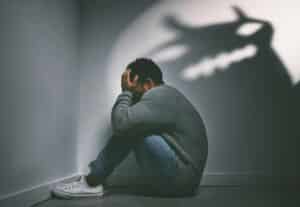 A motorcycle accident is, by definition, traumatic. You may have faced a life threatening moment, experienced severe pain, been rushed to emergency care or faced the possibility of long-term disability. The event can change the way you view yourself, the road, your motorcycle and your future.
Post-traumatic stress disorder (PTSD) occurs when a traumatic event, such as a serious crash, overwhelms your ability to cope and leaves behind persistent symptoms such as:
- Intrusive memories or flashbacks
- Avoidance of reminders of the crash
- Hyperarousal (constant alertness, jumpiness)
- Alterations in mood and cognition (feeling detached, numb, guilty, hopeless)
Over time, these patterns can embed themselves in your daily life.
Why this Matters for You
A diagnosis of PTSD may affect your capacity to ride again, return to work, socialize or simply feel safe. These issues can all negatively impact your quality of life on a daily basis. The earlier you’re able to recognize the symptoms, the sooner you can receive the important treatments necessary to restore your mental health and improve your quality of life.
Common symptoms of PTSD after a motorcycle accident include:
- Recurrent distressing memories of the crash
- Nightmares related to the crash or riding
- Avoidance of thoughts, people, places or activities that remind you of the crash
- Hyper-vigilance, startle responses or trouble sleeping
- Feeling detached from others
- Loss of interest in things you used to enjoy
If these symptoms last more than a month and significantly interfere with your life, talk to a mental-health professional. PTSD is treatable. Cognitive-behavioral therapy (CBT) and exposure-based treatments have been shown to reduce symptoms. In some instances, you may also benefit from medication to help ease your PTSD symptoms.
It’s important to discuss the PTSD symptoms you’re experiencing after the crash with your motorcycle accident lawyer. This will ensure these issues are factored into the total damages requested as part of a motorcycle accident claim. Make sure any mental-health treatment records are retained since they can support both your recovery and your legal claim.
Anxiety and Depression
 After a motorcycle accident, you may feel acutely vulnerable, uncertain and exposed. It’s common for anxiety and depression to follow traumatic injury – especially when recovery is slow, pain persists, mobility is limited or your identity (as a rider) is shaken.
You may experience anxiety in a variety of ways, including:
- Constant worry about riding again or being on the road
- Fear of another crash
- Panic when you’re near motorcycles
- Persistent tension
- Insomnia
- Irritability
Depression may result in a variety of symptoms, including persistent sadness, loss of interest in formerly enjoyable activities (including riding), low energy, feelings of worthlessness, withdrawal from social contacts, and changes in sleep or appetite.
Why this Matters for You
Anxiety or depression can reduce your ability to follow through with physical rehabilitation, prolong your recovery timeline, reduce your quality of life, and affect both your relationships and work. Ignoring these conditions increases the risk that they may become chronic, leading to more complications such as sleep issues, substance abuse or feelings of isolation.
If you notice symptoms that persist for more than several weeks after the accident, reach out to a mental-health professional. In addition, keep a journal of your mood, activity levels and any setbacks you experience. This information can help you and your provider see patterns associated with your anxiety or depression. It’s also critical to avoid self-medicating with alcohol or drugs since these substances tend to make depression or anxiety worse.
When anxiety or depression after a motorcycle accident causes emotional distress, diminished capacity and reduced enjoyment of life, you can request compensation for these issues as part of your motorcycle accident claim. Make sure to discuss the ways you’ve been impacted by anxiety or depression with your motorcycle accident lawyer to ensure these psychological impacts are factored into the total damages requested during your claim.
Phobias and Avoidance Behaviors
Beyond broad anxiety, there are also very specific fears and avoidance patterns that often develop after a motorcycle accident. You may find yourself avoiding motorcycles entirely, refusing to ride again, avoiding roads where the crash happened or being hyper-aware of any vehicle nearby. These behaviors serve as psychological coping mechanisms, but they can become limiting and hinder your recovery.
Common signs that you’re experiencing phobias and avoidance behaviors after a motorcycle accident include:
- Refusal to even sit on a motorcycle again
- Avoiding driving or being a passenger when motorcycles are present
- Avoiding being out on the road at certain times of day
- Avoiding talking about the accident
- Panic attacks when forced into situations reminiscent of the accident
Why this Matters for You
While avoidance might feel protective, it reinforces fear and can reduce your quality of life. It may cause you to give up riding, social events, group rides and other things that made your life fulfilling prior to the accident
You should seek treatment for these issues if:
- You notice you can’t even consider riding again though physically possible
- You have a strong emotional or physical reaction (panic, racing heart, etc.) when you’re near motorcycles or on the road where your accident occurred
- You are limiting your social life, work or activities out of fear of motorcycles or riding situations
Make sure to let your motorcycle accident lawyer know how these changes in behavior affect you, since this can impact the total value of your damages.
Cognitive Difficulties
 Cognitive difficulties are common after a serious motorcycle accident, especially if you suffer a brain injury. These difficulties may include problems with memory, concentration, decision‐making, attention span and mental processing speed. Although less visible than physical injuries, these impairments can affect your work, daily function, mood and long-term outcomes.
There are several reasons why you might experience cognitive difficulties after a motorcycle accident:
- Trauma to the brain (even a mild concussion), extended recovery periods, pain medication, stress and sleep disruption can all impair cognitive function
- The accident might create emotional overload, which by itself interferes with concentration and memory
- When physical limitations caused by pain and restricted mobility exist, the brain’s resource allocation shifts, giving you less “mental bandwidth” for tasks that used to be automatic
Why this Matters for You
Cognitive difficulties can negatively impact your life in a variety of ways. You may have trouble returning to your job or engaging in your favorite hobbies because you find you can’t focus as well as you did prior to the motorcycle accident. You may also experience frustration, irritability or depression because you feel like your cognitive abilities are diminished.
You should seek treatment for these cognitive issues if:
- You find you can’t concentrate for as long as you used to
- You forget appointments or other important items
- You make more mistakes performing tasks than you did prior to the accident
- Tasks that were once automatic feel harder
- You find you’re more irritable, easily fatigued or less efficient
Make sure to discuss your cognitive struggles with your motorcycle accident lawyer since they contribute to the ways your motorcycle accident has impacted your life. In addition to seeking additional noneconomic damages for cognitive difficulties, you may also be able to seek economic damages if these issues prevent you from performing your job and negatively impact your future earning capacity.
Pushchak Law Can Help
If you’ve been injured in a motorcycle accident caused by another driver, you may be entitled to compensation for your damages. At Pushchak Law, we can help you pick up the pieces after this devastating event so that you can receive the important resources you need to recover.
Brian Pushchak has made motorcycle accident cases a primary focus of his practice. He’s witnessed the psychological impacts of a motorcycle accident firsthand, and he understands how they can affect your life. In addition to making sure these psychological issues are factored into your damages, Mr. Pushchak can help direct you to the proper treatment resources necessary to get the help you need when experiencing psychological trauma.
When you work with Pushchak Law, you’ll benefit from our unique Informed Decisions™ Approach focused on helping you achieve a successful outcome to your case. This approach arms you with all the information you need to remain in control of your case every step of the way. Mr. Pushchak will discuss your goals for the case, answer any questions you may have and provide a detailed explanation of his recommended legal strategy. You’ll always have final say on how we approach your case, ensuring Mr. Pushchak remains aligned with your goals at all times.
Contact us today to schedule a free consultation. Pushchak Law serves clients in Denver and the surrounding areas of Colorado.
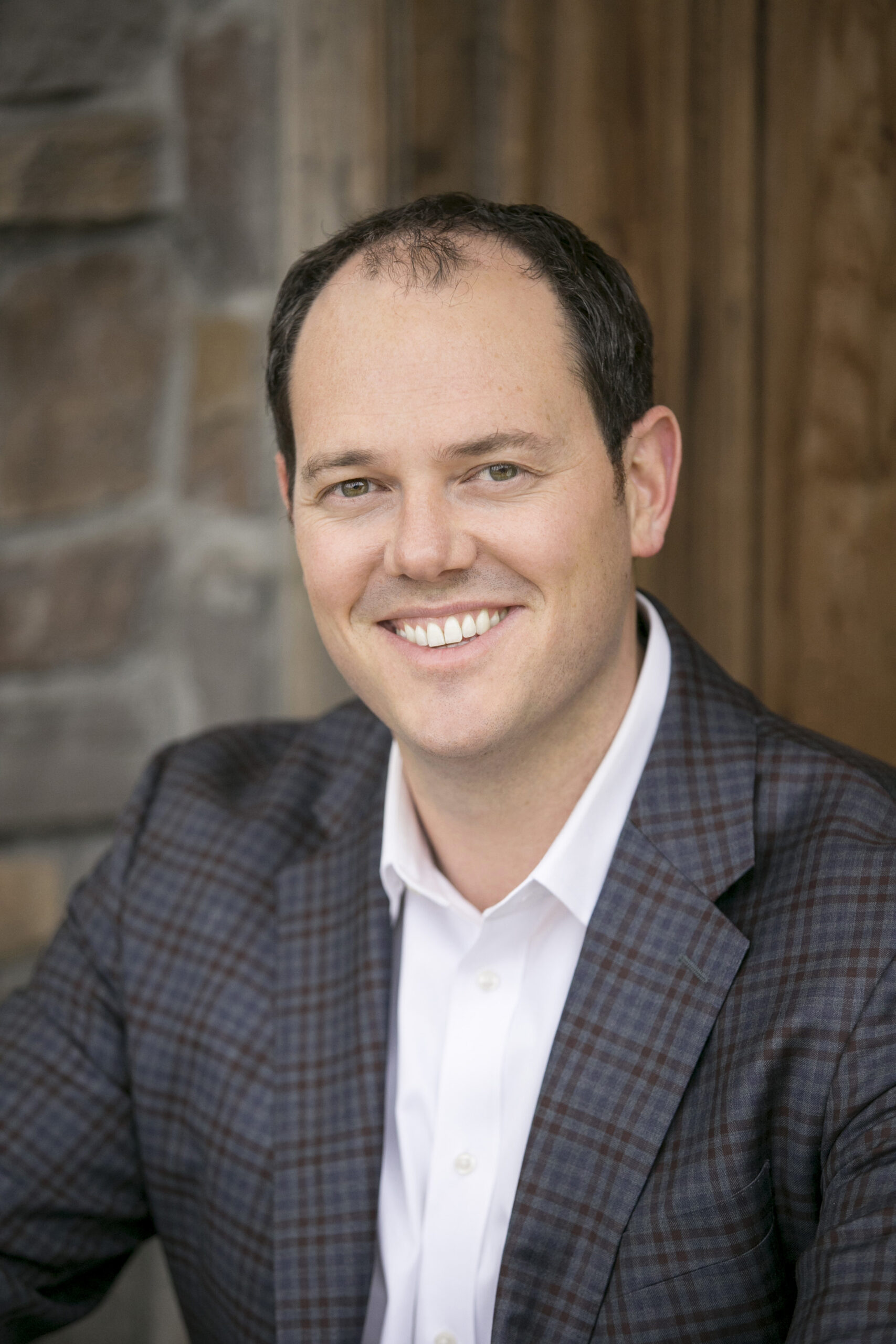
Brian D. Pushchak is a top-rated personal injury attorney practicing in the Denver, Colorado area. Providing legal representation in Colorado for a variety of personal injury issues, Brian Pushchak was selected to Rising Stars for 2017 – 2026. He is admitted to practice before the courts in Colorado. Brian Pushchak was admitted to the practice of law in 2011. Attorneys like Brian D. Pushchak are recognized by their peers for their outstanding work and commitment to the spirit of the legal profession. Their knowledge of the law, professional work ethic, and advocacy on behalf of their clients allow them to stand out among other attorneys in the field.